Copyright © 2026 Woodvalley Vineyards Ltd

Sponsored by Alden Rose, Billericay
www.aldenrose.co.uk
Low Energy Building Design

Members of WineGB

The Great British Vineyard Guide


Cellar Door
September Opening Times:
Thursday -
Sunday 10am -
Please phone for other times
07926 474711
Find Us
Woodvalley Vineyards Ltd
Woodvalley Farm
Outwood Common Road
Billericay, Essex CM11 1ET
W3W: stand.pull.deck
T: 07926 474711
E: info@woodvalleyvineyards.co.uk





Wine Geekery -
Know Your Wine Jargon:
Part 2: A Simple Guide to All Things Bubbly
Have you ever looked at a wine label and thought it was written in another language? (Brut? Vintage? Blanc de what now?) Don’t worry — we’ve all been there. The world of bubbly wines is full of fancy French terms, but behind them are simple ideas that make perfect sense once you know them.
Here’s your easy guide to the words you’ll often see on English sparkling wines — including ours at Woodvalley Vineyards.
🍾Vintage vs Non-
Vintage: Vintage wines come from a single year’s harvest — think of them as snapshots of that growing season, from sunshine levels to rainfall. It is normally noted on the bottle.
Only exceptional years make the cut, and they’re often aged longer for depth and complexity.
Non Vintage (NV): Non-
Like a great playlist, fine-
🥂 Brut, Extra Brut, and Beyond
Brut is a fancy way of saying dry — it refers to the sweetness levels, with very little sugar left after fermentation.
- Brut Nature (0–3g/L): Bone dry
- Extra Brut (0–6g/L): Dry with a hint more flexibility
- Brut (0–12g/L): Classic dry style
For something sweeter, you might spot Demi-
🍇 Blanc de Blancs & Blanc de Noirs
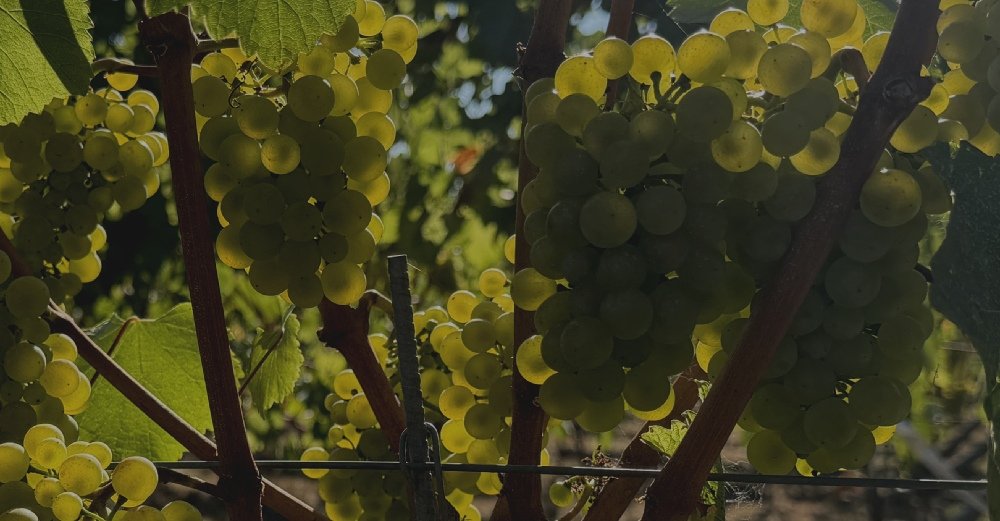
Blanc de Blancs (“white from whites”) is made entirely from white grapes — usually Chardonnay. Elegant, crisp, and age-
Blanc de Noirs (“white from black”) uses red grapes like Pinot Noir or Pinot Meunier, but with skins removed early to keep the colour pale and the flavour richer and rounder. Often labelled simply as a Rosé.
In short: Blanc de Blancs = bright and crisp. Blanc de Noirs = smooth and generous.
💗 Rosé
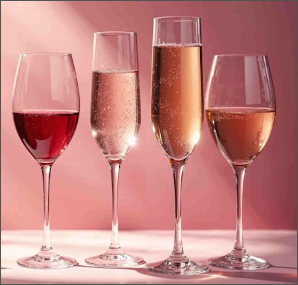
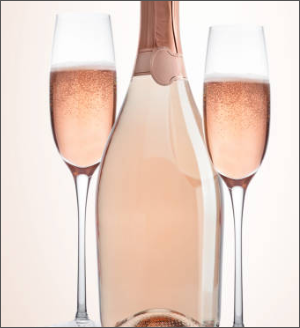
Rosés get their lovely blush colouring from a short “flirtation” between grape juice and red skins. They are made by letting the red grape skins sit briefly with the juice — just as we did for our debut wine.
The length of time can be hours or days depending on the depth of colour required. Ours were left for about two hours, just long enough to give that delicate pink blush.
Expect berry aromas and a lively, fruit-
🍾 Traditional Method vs Modern Methods
Whilst there are various ways to get those bubbles in the bottle, there can be only one “champagne”.
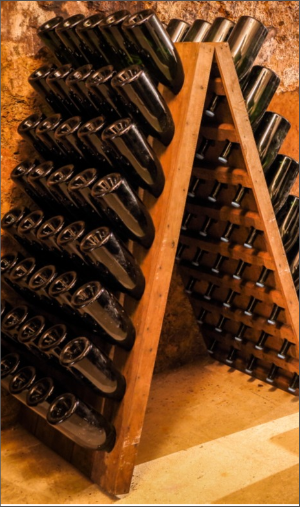
- Traditional Method: For Champagne, English Sparkling Wine and Cava, this is where the magic happens. After the first fermentation, the wine gets bottled for a second fermentation from ageing on the lees (the yeasty sediment) which creates the bubbles naturally. It’s slower, fussier, and far more complex than Prosecco’s tank method — but the reward is those fine, persistent bubbles and delicious biscuity notes. A traditionally-
made sparkling takes around 26 months to make, but worth the wait in our opinion! Our ambition is to begin our sparkling journey with our 2026 harvest so watch this space!
- Modern Tank Method: For Prosecco styles, the second fermentation takes place in a large sealed tank, which gives it a fresher, fruitier flavour and softer bubbles. This makes the process quicker, hence the price difference.
- Carbonation: Cheaper sparkling wines are often a still wine with the bubbles added directly, like a giant Soda Stream. Ready in around 8 months, they are ready for tins and bottles far quicker than any other method.
Why Only France Can Call It Champagne -
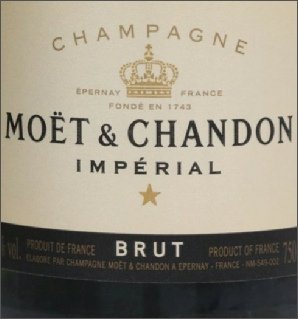
The word Champagne is protected by Appellation d’Origine Contrôlée (AOC) laws in France. That means only sparkling wine produced in the actual Champagne region, using specific grapes (mainly Chardonnay, Pinot Noir, and Pinot Meunier) and the Traditional Method, can legally be called “Champagne”.
Even if you use the exact same process elsewhere — like we do in England — you can’t use the name “Champagne”. Instead, we say Traditional Method or Méthode Traditionale. It’s a bit like calling blue cheese “Stilton” — it has to come from certain English counties to earn the name. So while Champagne has centuries of prestige, English sparkling wines made the same way are now winning blind tastings against the French originals — and we’re quietly raising a glass to that. 🥂