Copyright © 2026 Woodvalley Vineyards Ltd

Sponsored by Alden Rose, Billericay
www.aldenrose.co.uk
Low Energy Building Design

Members of WineGB

The Great British Vineyard Guide


Cellar Door
September Opening Times:
Thursday -
Sunday 10am -
Please phone for other times
07926 474711
Find Us
Woodvalley Vineyards Ltd
Woodvalley Farm
Outwood Common Road
Billericay, Essex CM11 1ET
W3W: stand.pull.deck
T: 07926 474711
E: info@woodvalleyvineyards.co.uk


Wine Geekery -
Know Your Wine Jargon:
Part 3: Confused by Wine Labels & Tasting Notes?
If you have ever picked up a bottle of wine, read the description and been totally confused by the “notes of this”, “long finish” or “zesty whatever” we have put together a simple guide so you can soon join in and sound like a professional sommelier.
But where do all these descriptions actually come from?
When a wine is tasted, a tasting note is created by looking at a few simple things:
- what it looks like, what it smells like,
- what flavours you notice,
- how it feels in your mouth and
- how long those flavours hang around afterwards.





From this come all those wonderful words you see on wine labels and tasting notes:
🍓 Fruit – strawberry, raspberry, apple, pear, citrus, peach and plenty more.
🍋 Acidity – crisp, fresh, zesty or racy.
🌸 Floral, Herbal & Earthy – blossom, elderflower, herbs, woodland and even the occasional “forest floor”.
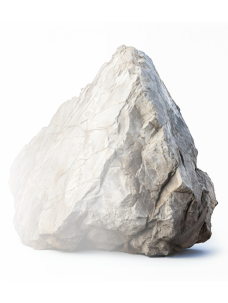
🪨 Minerality – flinty, chalky, stony, steely or saline.
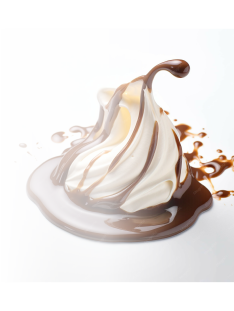
👄 Texture & Mouthfeel – silky, creamy, smooth, velvety or grippy.
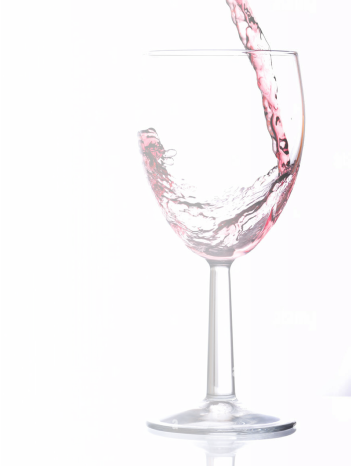
🍷 The Finish – short, medium or long; what happens after you've swallowed.
And before you start wondering how on earth you're supposed to find strawberries, flowers and stones in a drink made entirely from grapes — don't worry, we'll get to that.
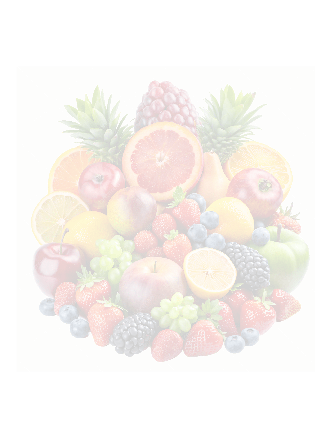
🍓 Fruit – Notes of This, Hints of That...
Probably the most common words you’ll find in a wine description are fruits – strawberry, raspberry, blackberry, apple, pear, peach, citrus... the list can go on and on.
How do you get all that from grapes?
During fermentation, wine develops hundreds of different aroma and flavour compounds, many of which are also found naturally in other fruits and foods. When we smell or taste them, our brain associates them with something familiar.
They are often grouped into families:
🍋 Citrus Fruit – lemon, lime, grapefruit
🍏 Orchard Fruit – apple, pear
🍑 Stone Fruit – peach, apricot, nectarine
🍓 Red Fruit – strawberry, raspberry, cherry, redcurrant
🫐 Black Fruit – blackberry, blackcurrant, black cherry
🥭 Tropical Fruit – pineapple, mango, passionfruit
And here's the important bit: you don't have to agree with the label.
One person may taste strawberry, another raspberry and someone else redcurrant. Our sense of smell and taste is linked to our own memories and experiences, so there isn't always one “correct” answer.
If everyone around you is discussing delicate notes of wild strawberry and you're thinking “Nope, definitely raspberry”...
Congratulations. You're wine tasting. 😂
🍋 Acidity – Crisp, Fresh, Zesty & Racy
If you've ever taken a sip of wine and felt your mouth immediately begin to water, you've experienced acidity.
Acidity gives wine freshness and liveliness and helps balance its fruit, sweetness and alcohol. Without enough of it, a wine can taste rather flat or heavy.
On the label you might see:
- Crisp – clean, refreshing acidity.
- Fresh – bright and lively.
- Zesty – vibrant, often citrus-
like freshness. - Racy – lively, pronounced, mouth-
watering acidity.
And despite the name, acidic doesn't necessarily mean sour. Think of the refreshing sharpness of a crisp apple rather than sucking a lemon.
Acidity is also particularly important in sparkling wines, helping to give them that lovely fresh character that makes another glass seem like an entirely sensible idea.
🪨 Minerality – Now We're Getting Properly Winey
This is one of those terms that can make a wine description sound particularly impressive.
Flinty. Chalky. Stony. Steely. Saline.
These are often grouped under the term minerality and describe sensations or flavours that aren't obviously fruity, floral or spicy.
It doesn't mean your wine contains tiny pieces of chalk, flint or stone.
It's actually quite difficult to define precisely — and even wine experts debate exactly what minerality means.
So if this one has always confused you, you're in very good company.
👄 Texture & Mouthfeel – How Does It Feel?
Wine isn't only about what you can taste and smell. There's also the way it feels in your mouth.
This is known, rather unsurprisingly, as mouthfeel.
You might see:
- Silky – soft and smooth.
- Creamy – rounded and rich.
- Velvety – smooth, soft and fuller in texture.
- Grippy – a slightly drying sensation, usually associated with tannins.
So when someone talks about the texture of a wine, they're not claiming to be able to feel individual grapes.
They're simply describing how the wine feels when they drink it.
🍷 The Finish – And Finally...
The finish is simply what happens after you've swallowed the wine.
How long can you still taste it?
- Short Finish – the flavours disappear fairly quickly.
- Medium Finish – they hang around for a little while.
- Long Finish – the flavours linger and may even continue to develop.
Generally, a longer and more interesting finish can be an indication of a better-
The only problem is that properly assessing the finish requires you to wait before taking another sip. We'll leave you to decide whether that's strictly necessary. 😂
Think you’ve got the hang of it?
In Part 4, we’ll step it up a notch and tackle balance, complexity, structure, concentration and vintage – the words that really make you sound like you know what you’re talking about! 🍷
🌸 Floral, Herbal & Earthy – We've Left the Fruit Bowl
Not everything you smell or taste in wine comes with a fruit attached to it. Tasting notes can also wander into the flower garden, herb patch and occasionally the forest floor.
Just like those strawberry and peach notes, these aren't ingredients that have been added to the wine. They are aromas and flavours naturally created by the grapes, fermentation and, sometimes, the way the wine has been aged.
- 🌸 Floral – Think blossom, rose, violet, honeysuckle, jasmine or elderflower. Floral aromas are particularly common in aromatic white wines and can range from a subtle hint of blossom to something much more perfumed.
- 🌿 Herbal or Herbaceous – Freshly cut grass, mint, herbs, tomato leaf, nettle or even the smell of a leafy hedgerow. These fresher, greener notes are often found alongside fruit flavours and can give a wine a lovely fresh character.
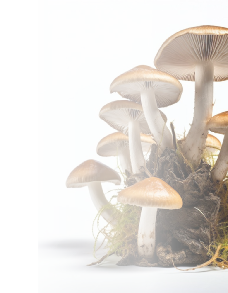
- 🍂 Earthy – Mushroom, dried leaves, woodland, tobacco or the wonderfully sophisticated-
sounding “forest floor”. Earthy flavours are particularly associated with some red wines and can become more noticeable as a wine ages.
Yes, “forest floor” really is a wine description. Apparently “smells slightly like a damp walk through the woods” didn't have quite the same sophistication. 😂