Copyright © 2026 Woodvalley Vineyards Ltd

Sponsored by Alden Rose, Billericay
www.aldenrose.co.uk
Low Energy Building Design

Members of WineGB

The Great British Vineyard Guide


Cellar Door
September Opening Times:
Thursday -
Sunday 10am -
Please phone for other times
07926 474711
Find Us
Woodvalley Vineyards Ltd
Woodvalley Farm
Outwood Common Road
Billericay, Essex CM11 1ET
W3W: stand.pull.deck
T: 07926 474711
E: info@woodvalleyvineyards.co.uk


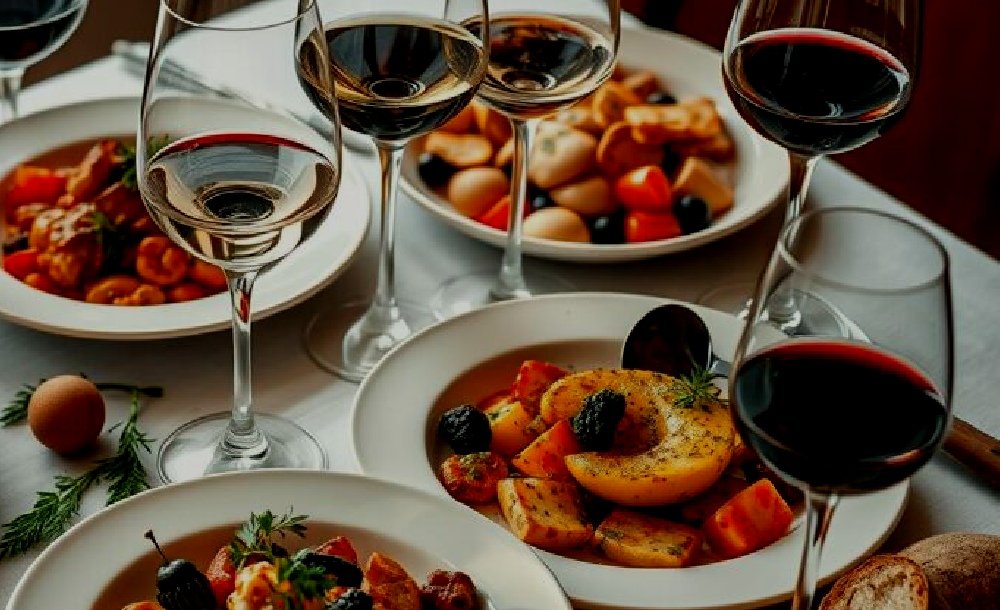
Food & Wine -
Food & Wine Pairing
A Simple Guide to Red Wine & Food
So far we've discovered that pairing food and wine isn't really about following a list of rules. It's about getting the flavours, weight and intensity of what's in your glass to play nicely with what's on your plate.
Now it's time for the reds. We all know the traditional advice: red wine with meat.
And yes, there is some science behind that one. But red wine can work with everything from pasta and pizza to cheese, chicken and even — brace yourselves — fish.
The trick is knowing whether you've got a light, fruity red or something big, bold and tannic. So let's open a bottle and investigate.
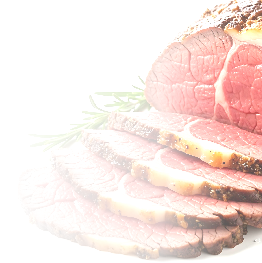
🥩 Steak & Beef – The Classic
Let's get the obvious one out of the way.
Red wine and steak really are very good friends.
Red wines contain tannins — those compounds that can create a slightly dry, grippy feeling in your mouth. Protein and fat in meat soften the perception of those tannins, while the wine helps cut through the richness of the food. The richer and fattier the cut, the more robust your wine can usually be.
Try:
Cabernet Sauvignon → steak, roast beef and richer cuts
Malbec → steak, burgers and barbecued beef
Syrah/Shiraz → grilled and peppered meats
Merlot → roast beef, burgers and slightly softer meat dishes
In other words, the steak-


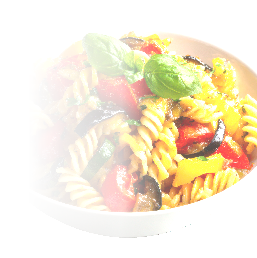
🍝 Pasta – Once Again, It's All About the Sauce
Remember Part 2? The pasta still doesn't care what wine you're drinking. The sauce does.
Tomato has plenty of acidity, so it needs a wine fresh enough to keep up with it.
Chianti/Sangiovese → tomato sauces, lasagne and ragù
Barbera → tomato-
Montepulciano → meatballs, ragù and baked pasta
Pinot Noir → mushroom or lighter tomato-
A rich beef ragù can cope with a much fuller red than a simple bowl of spaghetti pomodoro.
So if somebody asks: “What red goes with pasta?”
You already know the professional answer: “What's the sauce?” Look at us. Practically sommeliers 😁
🍕 Pizza – Possibly Wine's Most Useful Partner
Tomato. Cheese. Salt. Fat. Herbs. Pizza has rather a lot going on, but fortunately red wine is up to the challenge.
Fresh, fruity Italian reds are particularly good because their acidity works with the tomato while their fruit complements the toppings.
Margherita → Chianti or Barbera
Pepperoni → Sangiovese or Syrah
Meat feast → Syrah, Malbec or Cabernet Sauvignon
Mushroom → Pinot Noir
Four cheese → a juicy Merlot or Barbera
And if your pizza arrived in a cardboard box rather than from a wood-
The pairing still works. Wine doesn't judge.
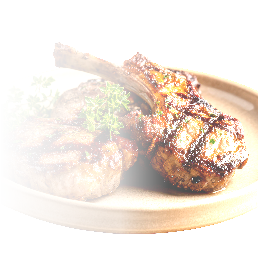
🍖 Lamb – Herbs Are Your Clue
Lamb is richer than many meats but also has a distinctive flavour of its own, so it works beautifully with reds that have plenty of character.
Cabernet Sauvignon is excellent with roast lamb.
Rioja/Tempranillo works beautifully with slow-
Syrah is great with grilled lamb and stronger flavours.
But pay attention to the herbs and sauce too. Rosemary, thyme, garlic and other Mediterranean flavours can completely change which wine works best.
Remember our golden rule: Pair with the whole plate, not just the thing in the middle of it.
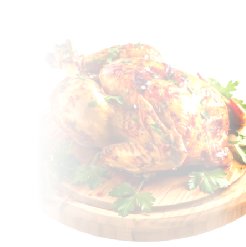
🍗 Chicken – Yes, Red Wine Works Too
Chicken appeared in our white-
A delicate poached chicken probably wants a white.But roast it, grill it, cover it in mushrooms or give it a rich sauce and suddenly lighter reds can be fantastic.
Pinot Noir → roast chicken and mushroom dishes
Gamay/Beaujolais → grilled or herb-
Merlot → richer chicken dishes and casseroles
The important word here is lighter.
A huge tannic Cabernet with delicate chicken is a little like inviting a brass band to provide background music over dinner.
Technically possible. Perhaps not ideal.
🐟 Red Wine With Fish – Call the Wine Police
Here comes one of the great wine “rules”: Never drink red wine with fish.
Except... you absolutely can.
The problem isn't really the colour of the wine. Heavy tannins can clash with delicate fish and sometimes create an unpleasant metallic sensation. So choose a lighter, lower-
Pinot Noir can be lovely with salmon or tuna, particularly when they're grilled or served with mushrooms or earthy flavours. A light Gamay can work too. And slightly chilling a lighter red (yes, really!) can make it wonderfully fresh alongside food.
So yes: Red wine with fish. We've said it. Nobody has arrested us yet.
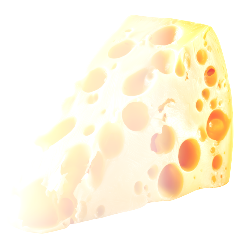
🧀 Cheese – Red Isn't Always the Answer
We've already committed one act of wine heresy by admitting in Part 2 that white wine can sometimes be better with cheese.
But plenty of reds work beautifully too. The trick is avoiding a huge tannic red with a delicate creamy cheese — the wine can simply flatten everything in its path.
Pinot Noir → Brie, Camembert and Gruyère
Merlot → Cheddar and Gouda
Cabernet Sauvignon → mature Cheddar and harder aged cheeses
Port → Stilton and other blue cheeses
A good general rule is:
The stronger the cheese, the more character the wine can have.
Although if there is an entire cheeseboard involved, we're perfectly happy to recommend more than one bottle in the interests of accuracy 😉.
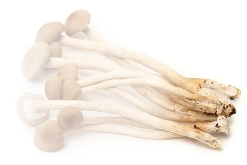
🍄 Mushrooms & Umami – Pinot Noir's Best Friend
Mushrooms have those savoury, earthy umami flavours we talked about in Part 1. And one particularly lovely partner is
Pinot Noir.
Pinot can have its own earthy, woodland characteristics alongside red-
It's a good reminder that red wine doesn't need meat.
Sometimes matching flavours works just as well as creating contrast.
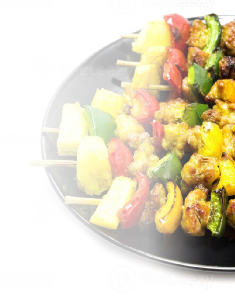
🔥 Barbecue – Think About the Smoke
Barbecued food brings smoke, char, spice, sweetness and usually quite a lot of sauce into the equation.
Which means it can cope with some fairly punchy wine:
Malbec → burgers and steak
Syrah/Shiraz → smoky, peppery meats
Zinfandel → sticky ribs and sweeter barbecue sauces
Grenache → sausages, grilled meats and Mediterranean flavours
If the sauce is sweet, choose a wine with plenty of ripe fruit.
If it's spicy, be careful with very high alcohol.
And if your chef is standing over the barbecue announcing that everything is “nearly ready” for forty-
Open the wine early.
Coming Next...
We've done white. We've done red. So in Food & Wine – Pt 4, we're sitting happily somewhere in between with our guide to rosé and food.
Because rosé deserves considerably more than being dragged out of the fridge for a summer barbecue. It's fresh, fruity, wonderfully versatile with food and — purely coincidentally — the Four Non-
Cheers from the Four Non-
🍷 The Quick Red Wine Cheat Sheet
Light & Fruity
Pinot Noir • Gamay
→ Chicken, salmon, mushrooms, charcuterie and softer cheeses.
Medium & Juicy
Merlot • Sangiovese • Barbera • Tempranillo
→ Pizza, pasta, roast meats and burgers.
Big & Bold
Cabernet Sauvignon • Malbec • Syrah/Shiraz
→ Steak, lamb, barbecue and rich slow-
Rich & Sweet
Port and other fortified reds
→ Blue cheese, chocolate and desserts.
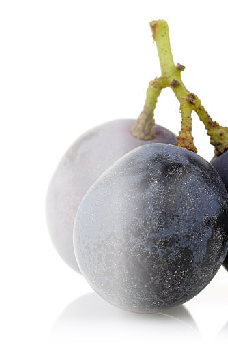
🍇 And Where Does Pinot Noir Fit In?
We couldn't finish this one without mentioning Pinot Noir.
It's one of the world's most versatile food wines, partly because it tends to have good acidity, relatively gentle tannins and plenty of red-
That means it can move surprisingly easily between salmon, chicken and mushrooms at the lighter end, through to duck, pork and richer dishes.
And, of course, Pinot Noir happens to be one of the varieties growing rather happily at a certain little vineyard in Essex.
Pure coincidence, naturally. 😉
🍷 The Most Useful Rule?
Don't simply match red wine with meat. Match the weight of the wine with the weight of the dish, then think about the sauce, seasoning and how it's been cooked.
A light Pinot Noir and a huge Cabernet Sauvignon may both be red wines, but expecting them to work with exactly the same food is rather like saying:
“They're both shoes. Either pair will be fine for hiking.”
Technically true. Potentially regrettable.

