Copyright © 2026 Woodvalley Vineyards Ltd

Sponsored by Alden Rose, Billericay
www.aldenrose.co.uk
Low Energy Building Design

Members of WineGB

The Great British Vineyard Guide


Cellar Door
September Opening Times:
Thursday -
Sunday 10am -
Please phone for other times
07926 474711
Find Us
Woodvalley Vineyards Ltd
Woodvalley Farm
Outwood Common Road
Billericay, Essex CM11 1ET
W3W: stand.pull.deck
T: 07926 474711
E: info@woodvalleyvineyards.co.uk



Food & Wine -
Food & Wine Pairing
A Simple Guide to Rosés & Food
We've tackled white wine. We've ventured into the reds. So now it's time for the pink stuff.
Rosé has spent far too long being treated as something you drink in the garden when the sun comes out, preferably with sunglasses on and absolutely no thought whatsoever about what's for dinner.
Which is a shame, because dry rosé is one of the most versatile food wines around.
It can have the freshness and acidity we associate with white wine, together with some of the red-
Basically, rosé gets along with almost everyone.
So let's get the pink stuff out of the fridge and find it something to eat.
🌸 Why Is Rosé So Good With Food?
Now, given that our very first wine happened to be a rosé, you could perhaps accuse us of being slightly biased here.
We prefer to think of ourselves as extensively experienced researchers in the subject.
Rosé sits in a rather useful place between white and red wine.
Depending on how it's made, it can give us fresh acidity, delicate tannins and flavours of strawberry, raspberry, cherry, redcurrant, citrus or even herbs and flowers.
That combination means it can work with foods that might overwhelm a delicate white, while not overpowering dishes in the way a big red sometimes can.
And because rosé is generally served chilled, it's particularly refreshing alongside salty, spicy, grilled and Mediterranean-
In other words: When you can't decide between red and white, pink may well be the answer.
We're not biased. Honestly. 🌸😂



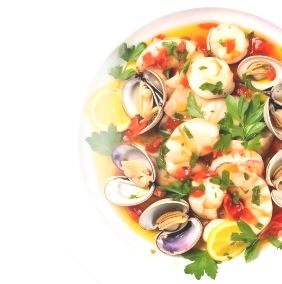
🦐 Seafood – Not Just White Wine Territory
Seafood and white wine may be the traditional pairing, but a fresh dry rosé can be every bit as good.
That lovely acidity works beautifully with seafood, while the subtle red-
Try rosé with:
Prawns → especially grilled with garlic or chilli
Calamari → acidity cuts beautifully through the fried coating
Salmon → enough character for this richer fish
Tuna → particularly grilled or seared
Crab → delicate, dry rosé
Mussels → especially with tomato, garlic or Mediterranean flavours
So if somebody automatically reaches for the white when the seafood arrives...
You now know there are other options.
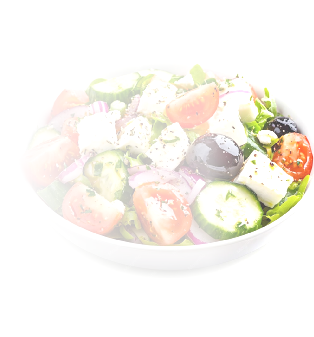
🍅 Mediterranean Food – Rosé's Happy Place
If rosé could choose its own dinner table, there's a fair chance it would be somewhere warm and covered with:
Tomatoes. Olives. Garlic. Herbs. Olive oil. Grilled vegetables. Cheese. Charcuterie.
Dry rosé has enough acidity to cope with tomatoes, enough fruit to complement salty foods and enough character to stand up to garlic and herbs.
Think:
Greek salad
Antipasti
Tapas
Grilled vegetables
Tomato pasta
Bruschetta
Olives and charcuterie
Preferably eaten outdoors on a warm evening. Although given we're an English vineyard, cardigans and a contingency plan are recommended.
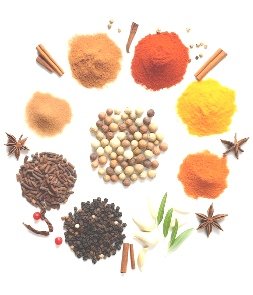
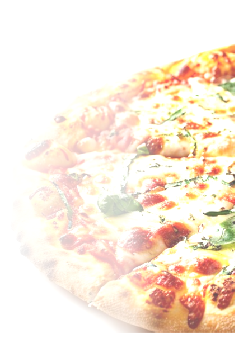
🍕 Pizza – Pink Works Here Too
We gave pizza to the whites. Then we gave it to the reds. And now we're giving it to rosé.
Pizza is clearly doing rather well out of this series.
The acidity in dry rosé works with the tomato, its fruit complements salty toppings and serving it chilled makes a lovely contrast to all that melted cheese.
Margherita → crisp, dry rosé
Prosciutto → fruity rosé
Vegetable pizza → dry rosé
Spicy salami → a fruitier style with plenty of freshness
Seafood pizza → light, delicate rosé
Basically: Pizza + wine = surprisingly difficult to get wrong 😉😉😉.
🌶️ Spice – Keep It Fresh & Fruity
Rosé can be a brilliant partner for moderately spicy food. Its fruit flavours can soften the perception of chilli, while its acidity and cool serving temperature keep everything fresh.
Try it with:
Thai food
Moroccan dishes
Spiced chicken
Middle Eastern food
Mild-
With really fiery food, avoid rosés that are particularly high in alcohol, because alcohol can make chilli feel even hotter.
And remember: we're trying to complement dinner, not create a competitive sport between your curry and your wine. 😉.
Cheers from the Four Non-
🌸� The Quick Rosé Wine Cheat Sheet
Light, Dry Rosé
→ Seafood • salads • goat's cheese • grilled vegetables • lighter pasta
Fruity Dry Rosé
→ Pizza • charcuterie • salmon • chicken • Mediterranean food
Fuller Rosé
→ Barbecue • pork • tuna • spiced dishes • richer pasta
Fruitier / Off-
→ Spicy food • Moroccan dishes • fruit • lighter desserts
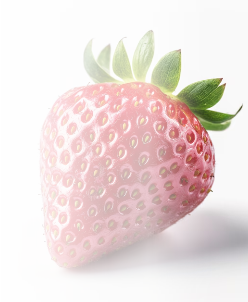
🍷 And What About Our Début?
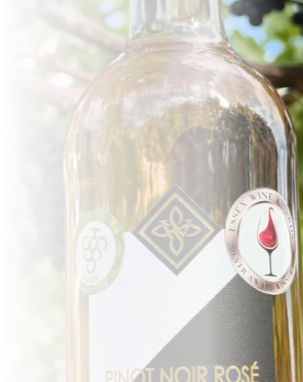
Well, it would be rather strange to write an entire article about pairing rosé without mentioning the one we actually make.
Our 2025 Début is a very pale, dry rosé with raspberry and white strawberry, a hint of grapefruit, racy acidity, pomegranate and a light, clean finish.
Which gives us an excellent excuse to eat:
Calamari Prawns & seafood Salmon Pizza Tomato-
In fact, since Début recently found its way onto the wine list at our favourite local Italian restaurant, we've discovered that it pairs remarkably well with...
...pretty much deciding what to order from the menu. Purely in the interests of research, obviously. 😂 😉
🌸 Rosé Isn't Just for Summer
There really isn't a rosé season.
Yes, a cold glass on a sunny afternoon is rather lovely, but rosé works just as happily with autumn charcuterie, winter seafood, Friday-
So don't wait for sunshine.
Open the bottle because the food deserves it.
Coming Next...
And finally, we're popping the cork. Part 5 is all about bubbles — white, pink and why sparkling wine and a packet of crisps may be considerably more sophisticated than you thought. 🥂


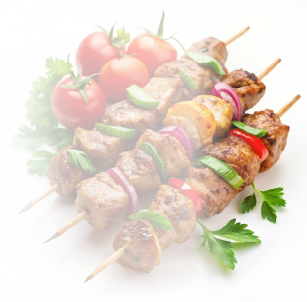
🔥 Barbecue – Give the Reds a Night Off?
Rosé and barbecues are natural friends — and not simply because they both tend to appear when the sun comes out.
Grilling adds smoky, charred flavours, while barbecue food often includes salt, marinades, herbs and spice.
A fresh rosé can handle all of that without becoming heavy.
Think:
Grilled chicken
Pork
Salmon
Halloumi
Vegetable skewers
Mediterranean sausages
Grilled prawns
It also has one important advantage over the enormous Cabernet we suggested with steak in Part 3:
You can drink it properly chilled while standing next to a hot barbecue.
Sometimes practical considerations matter.
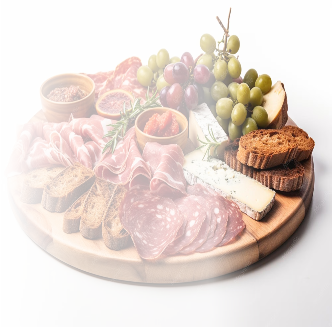
🧀 Cheese & Charcuterie – Pour Another Glass
This is where rosé really earns its keep.
A plate of cured meats, olives, cheeses, bread and perhaps a few sundried tomatoes contains salt, fat, acidity and plenty of different flavours.
And rosé can sit happily amongst the lot.
Try dry rosé (such as ours!) with:
- Goat's cheese Feta Brie Mozzarella Prosciutto Salami Chorizo
The acidity refreshes your palate after richer foods while the fruit works beautifully with salty cured meats.
Which means a bottle of rosé and a large sharing board technically constitutes a carefully considered food and wine pairing.
You're welcome.
🍓 Fruit – Follow What's Already in the Glass
Many rosés have flavours reminiscent of strawberry, raspberry, redcurrant, cherry, watermelon or grapefruit, so dishes containing similar fresh flavours can work beautifully.
Think:
Strawberry & goat's cheese salad
Watermelon & feta
Summer berry salads
Salmon with citrus
Fresh fruit and cheese
You can even pair rosé with lighter fruit-
And nobody wants to do that to perfectly good rosé. 😉